
How to Dispose of Lithium Batteries
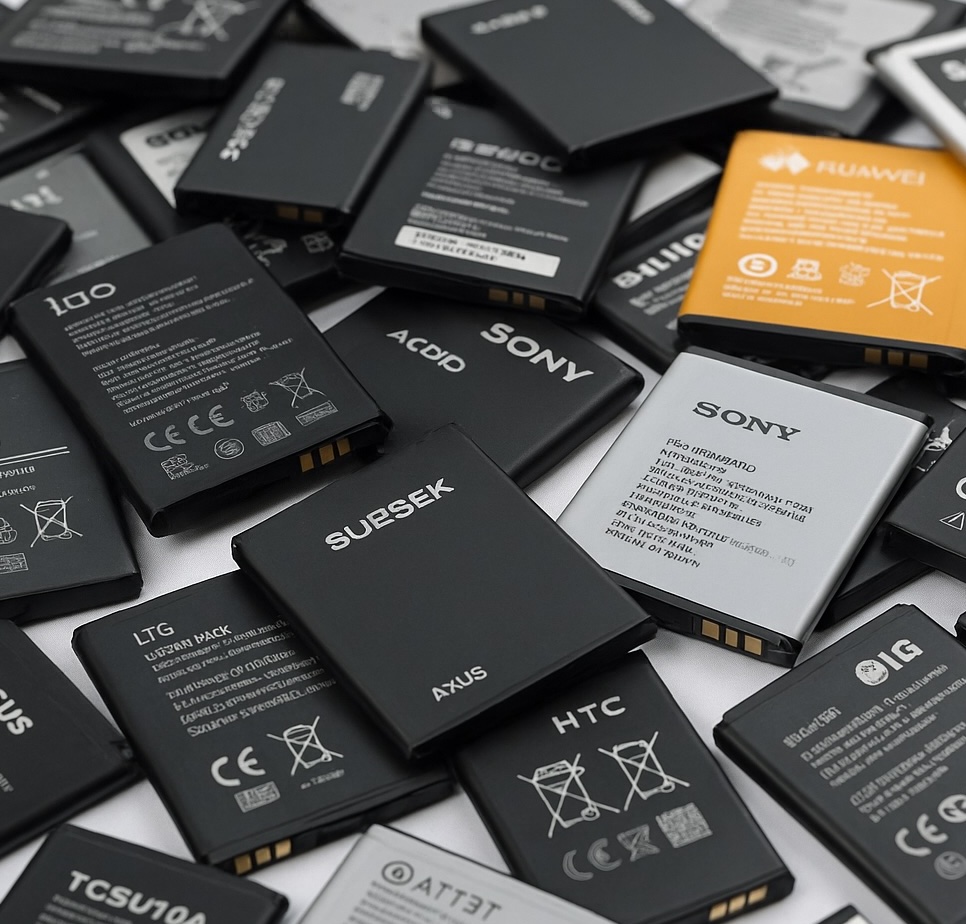
Lithium batteries are used in a wide range of devices, from phones and laptops to power tools, scooters, and commercial equipment. As these batteries reach the end of their lifespan, it becomes increasingly important to understand how to dispose of lithium batteries in Northern Ireland. Lithium batteries are classed as hazardous waste and therefore must be disposed of in line with NIEA Hazardous Waste Regulations. This guide explains the proper disposal methods, the legal requirements, and what businesses need to know when managing lithium battery waste.
For lithium battery disposal in NI, call Andrew on 07434 691 809 or email andrew@removerr.co.uk.
Why Are Lithium Batteries Hazardous?
Lithium batteries are classed as hazardous waste because they contain reactive chemicals and metals such as lithium, cobalt, nickel, and electrolytes that can become unstable when damaged, punctured, or exposed to heat. If disposed of incorrectly, these components can leak into the environment, contaminating soil and waterways, and posing risks to wildlife, pets, and humans.
Damaged lithium batteries can also enter a state of thermal runaway, leading to fires that are extremely difficult to extinguish and can spread rapidly through waste sites or recycling facilities. Incorrect disposal not only increases the risk of pollution and fire but also breaches the waste batteries and accumulators regulations in Northern Ireland. Individuals or businesses that dispose of lithium batteries illegally may face enforcement action and financial penalties.
For these reasons, lithium batteries must always be handled, stored, and transported in line with the NIEA’s hazardous waste requirements to ensure they are processed safely and responsibly.
Where Are Lithium Batteries Commonly Found?
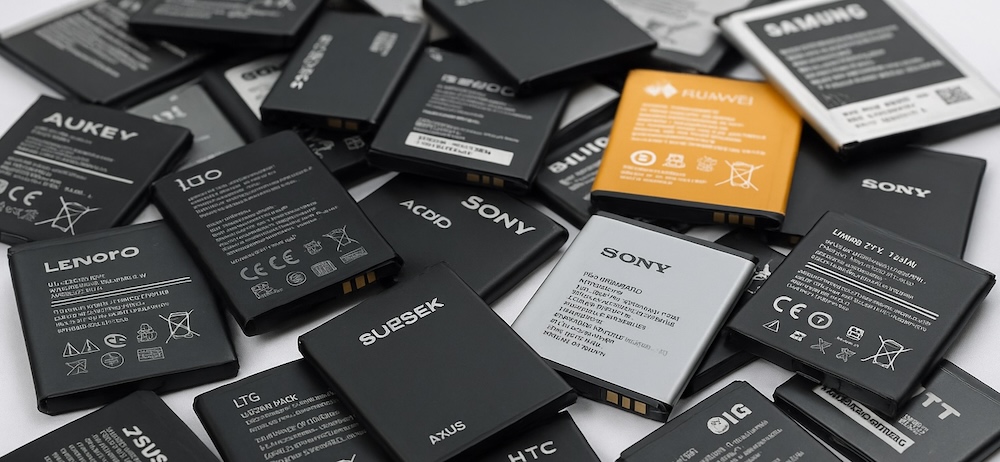
Lithium batteries are used across a wide range of products, and many businesses are often unaware that everyday equipment contains hazardous battery components. The items below have been grouped into broad categories to help identify where lithium batteries are most commonly found:
- Office and IT Equipment
Includes laptops, desktop backup batteries (UPS units), tablets, mobile phones, wireless keyboards and mice, headsets, barcode scanners, and portable card readers. Many of these devices contain small but highly reactive lithium-ion cells. - Tools and Trade Equipment
Power tools such as drills, drivers, sanders, saws, multi-tools, inspection cameras, and laser levels often use rechargeable lithium battery packs. Businesses in construction, maintenance, and engineering frequently accumulate spent or damaged batteries. - Retail and Commercial Electronics
Point-of-sale devices, handheld stock scanners, payment terminals, portable radios, CCTV cameras, door access fobs, and emergency lighting systems may all contain lithium cells. - Vehicles, Transport and Mobility Devices
E-bikes, e-scooters, mobility scooters, golf trolleys, drones, and remote-control equipment use high-capacity lithium batteries. - Household-Type Electricals Found in Workplaces
Cordless hoovers, rechargeable torches, smart home devices, vape devices, power banks, rechargeable toothbrushes contain lithium batteries that must be treated as hazardous.
How to Dispose of Lithium Batteries in Northern Ireland
Lithium batteries cannot be placed in general waste or standard recycling streams, and must be handled as hazardous waste under NIEA regulations. The safest option is to use a licensed waste carrier who can correctly package, transport, and dispose of them in compliance with Northern Ireland’s waste batteries and accumulators regulations.
At Removerr, we handle the full disposal process from start to finish. Once a collection is booked, we submit a pre-notification to the Northern Ireland Environment Agency, which must be submitted three working days in advance (excluding weekends and bank holidays). This ensures the movement of hazardous waste is tracked. On the day of collection, the lithium batteries are securely packaged, labelled and transported to an approved treatment facility.
Every customer receives a copy of the consignment paperwork and a headed invoice for their records. For enquiries or bookings, contact andrew@removerr.co.uk or phone 07434 691 809.

